
The electric vehicle (EV) market has never been more competitive. In 2025, carmakers are pushing the boundaries of performance, affordability, and design to meet growing demand. From luxury sedans to budget-friendly compacts and rugged SUVs, there is an EV for nearly every driver.
This guide reviews the best electric cars of 2025, highlighting their strengths in range, performance, features, and value. Whether you want speed, practicality, or affordability, this list will help you make an informed choice.
Why 2025 Is a Milestone for EVs
Electric mobility has been steadily rising, but 2025 marks a turning point. Several factors contribute to this:
-
Improved battery technology: New chemistries and higher energy densities mean longer ranges and faster charging.
-
Government incentives: Many countries still offer tax credits, rebates, or reduced road taxes for EV buyers.
-
Charging infrastructure: Networks are expanding, with ultra-fast chargers reducing wait times.
-
Consumer demand: More drivers are looking for sustainable and cost-efficient alternatives to gasoline cars.
The result is a market filled with diverse, high-quality options.
Best Electric Cars of 2025
Below are the standout EVs of 2025, organized by category for easier comparison.
1. Tesla Model 3 Refresh (Highland Edition)

Tesla continues to lead with updates to its best-selling sedan. The 2025 Highland Model 3 refines performance, efficiency, and design.
-
Range: Up to 390 miles (EPA estimated)
-
Performance: 0–60 mph in 3.1 seconds (Performance trim)
-
Key Features:
-
Minimalist interior with larger infotainment display
-
Enhanced Autopilot and Full Self-Driving package
-
Improved suspension for a smoother ride
-
Pros: Excellent range, strong performance, access to Tesla Supercharger network
Cons: Premium pricing for advanced features, interior may feel too minimal for some
2. Lucid Air Pure 2025

Lucid continues to challenge Tesla in the luxury segment with its sleek sedan.
-
Range: Around 420 miles per charge
-
Performance: 0–60 mph in 4.2 seconds
-
Key Features:
-
Spacious cabin with premium materials
-
Advanced driver-assistance system
-
Over-the-air updates for software enhancements
-
Pros: Exceptional range, luxurious comfort, refined technology
Cons: Expensive, charging network not as widespread as Tesla
3. Hyundai Ioniq 6

Hyundai’s streamlined sedan is designed for efficiency and practicality.
-
Range: 360 miles (long-range version)
-
Performance: 0–60 mph in 5.1 seconds
-
Key Features:
-
800V charging architecture for ultra-fast charging
-
Sleek aerodynamic design
-
Intuitive infotainment with dual displays
-
Pros: Affordable compared to luxury rivals, rapid charging, efficient design
Cons: Limited rear headroom due to sloping roofline
4. Ford Mustang Mach-E 2025

Ford’s flagship EV SUV gets a 2025 refresh with better range and improved software.
-
Range: Up to 340 miles
-
Performance: GT Performance Edition delivers 0–60 mph in 3.5 seconds
-
Key Features:
-
New Sync 5 infotainment system
-
Spacious cabin and cargo room
-
Over-the-air updates for performance improvements
-
Pros: Sporty driving feel, versatile SUV practicality, strong software support
Cons: Charging speed slightly slower than Hyundai’s 800V system
5. Volkswagen ID.7
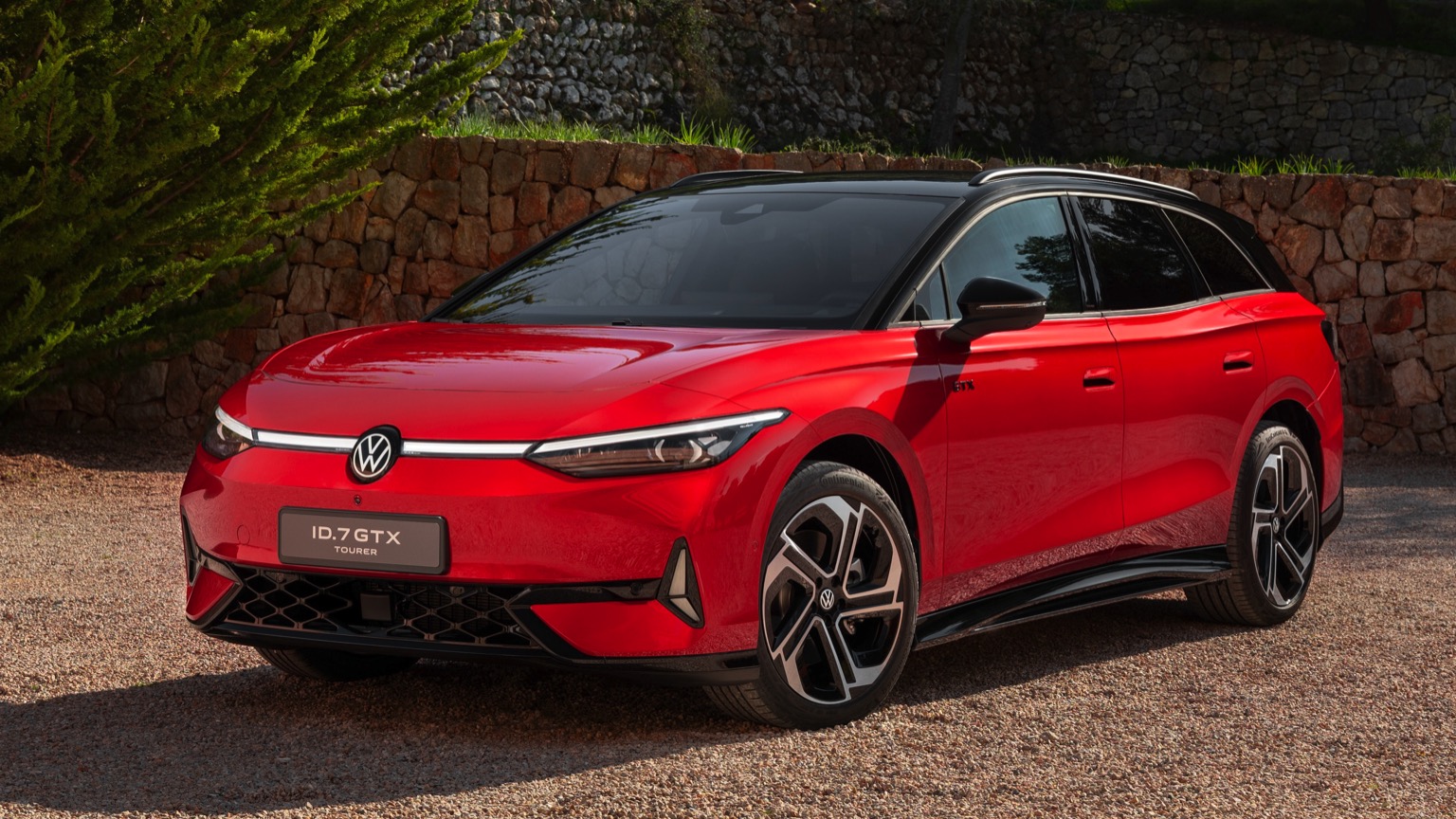
Volkswagen’s new flagship EV sedan aims to blend comfort with technology.
-
Range: 380 miles (WLTP)
-
Performance: Smooth acceleration, not focused on high performance
-
Key Features:
-
Large 15-inch central display
-
Augmented reality heads-up display
-
Focus on efficiency and comfort
-
Pros: Comfortable ride, high-tech interior, competitive pricing
Cons: Less sporty than rivals, charging network varies by region
6. BMW i5

BMW expands its electric lineup with a mid-sized sedan offering luxury and driving dynamics.
-
Range: 295–325 miles
-
Performance: 0–60 mph in 3.7 seconds (M60 trim)
-
Key Features:
-
Advanced driver assistance with adaptive cruise
-
Dual curved displays inside
-
Premium comfort materials
-
Pros: Luxury feel, sporty handling, BMW brand appeal
Cons: Higher price, slightly less range than Tesla and Lucid
7. Rivian R1S (2025 Update)

For those who want adventure, the Rivian R1S SUV offers rugged utility with electric power.
-
Range: 330–350 miles
-
Performance: 0–60 mph in about 3.0 seconds (quad-motor version)
-
Key Features:
-
Three-row seating
-
Off-road capability with adjustable suspension
-
Built-in camping features
-
Pros: Adventure-ready, strong acceleration, versatile interior
Cons: Expensive, large size may be challenging in cities
8. Chevrolet Equinox EV
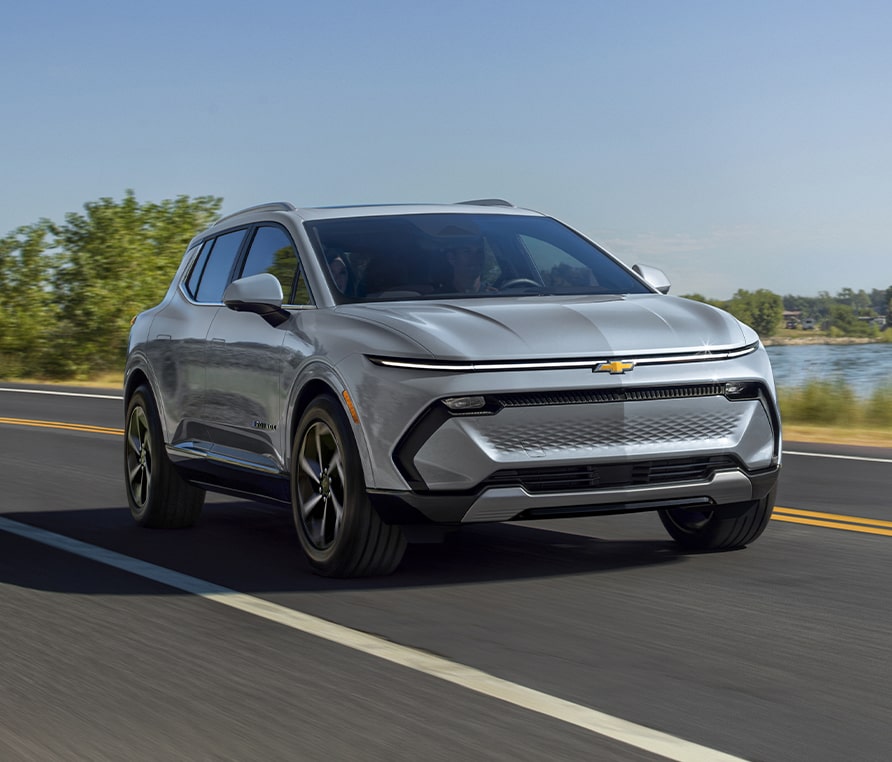
Chevrolet’s affordable EV SUV targets mainstream buyers.
-
Range: Around 300 miles
-
Performance: 0–60 mph in about 6 seconds
-
Key Features:
-
Priced starting under $35,000
-
Standard safety features
-
Spacious family-friendly cabin
-
Pros: Affordable, practical for families, good range for price
Cons: Interior less premium than rivals, availability may vary by region
Key Factors to Consider When Choosing an EV
Buying an electric car in 2025 involves weighing several factors:
Range
-
Long-range EVs (350+ miles) are ideal for frequent travelers.
-
Mid-range EVs (250–300 miles) work well for city driving and daily commutes.
Charging Infrastructure
-
Tesla’s Supercharger network remains the most extensive.
-
Other networks, like Electrify America and Ionity, are expanding quickly.
Performance
-
Some EVs focus on speed and acceleration (Tesla, Lucid, BMW).
-
Others prioritize comfort and efficiency (VW ID.7, Hyundai Ioniq 6).
Price and Incentives
-
Budget EVs like the Chevy Equinox EV make electric driving more accessible.
-
Luxury EVs offer premium features but at higher cost.
-
Incentives vary by country, so check local policies before buying.
Future Outlook: Where EVs Are Headed
Looking beyond 2025, the industry is shifting toward:
-
Solid-state batteries: Expected to deliver greater range and faster charging.
-
More affordable EVs: Automakers aim to launch sub-$30,000 models.
-
Expanded infrastructure: Charging will become as convenient as fueling a gasoline car.
-
Integration with smart homes and grids: Vehicle-to-home (V2H) and vehicle-to-grid (V2G) will allow EVs to support energy networks.
Conclusion
The best electric cars of 2025 showcase how far the industry has come in just a decade. From Tesla’s ever-popular Model 3 to the luxurious Lucid Air and the budget-friendly Chevrolet Equinox EV, buyers now have options that balance performance, range, and affordability.
If you prioritize luxury and long range, Lucid Air and BMW i5 stand out. For practical family use, the Ford Mustang Mach-E and Chevy Equinox EV are strong picks. Those seeking adventure should consider the Rivian R1S. And for a well-rounded choice, Tesla Model 3 and Hyundai Ioniq 6 deliver efficiency and technology at competitive prices.
As EV technology continues to improve, 2025 is shaping up to be a year where electric driving becomes mainstream, practical, and exciting for nearly every type of driver.