
Impact of AI on the Younger Generation
Artificial intelligence (AI) has moved from science fiction into daily reality. For the younger generation, it is no longer a distant innovation but a living part of education, entertainment, communication, and career preparation. Understanding how AI influences their growth is essential for parents, educators, and policymakers who seek to balance opportunities with challenges.
AI in Education
Education has been one of the earliest fields to adopt AI-based tools. From adaptive learning platforms to automated grading systems, AI is reshaping how students learn and teachers instruct.
Personalized Learning
AI-driven applications analyze student progress and recommend tailored study plans. For instance, platforms like Khan Academy and Duolingo use algorithms to adjust difficulty based on performance. This ensures that learners receive lessons at their own pace.
- Advantages: Improves engagement, reduces frustration, and boosts academic confidence.
- Concerns: Over-reliance may reduce critical thinking and peer interaction.
Virtual Classrooms and Tutoring
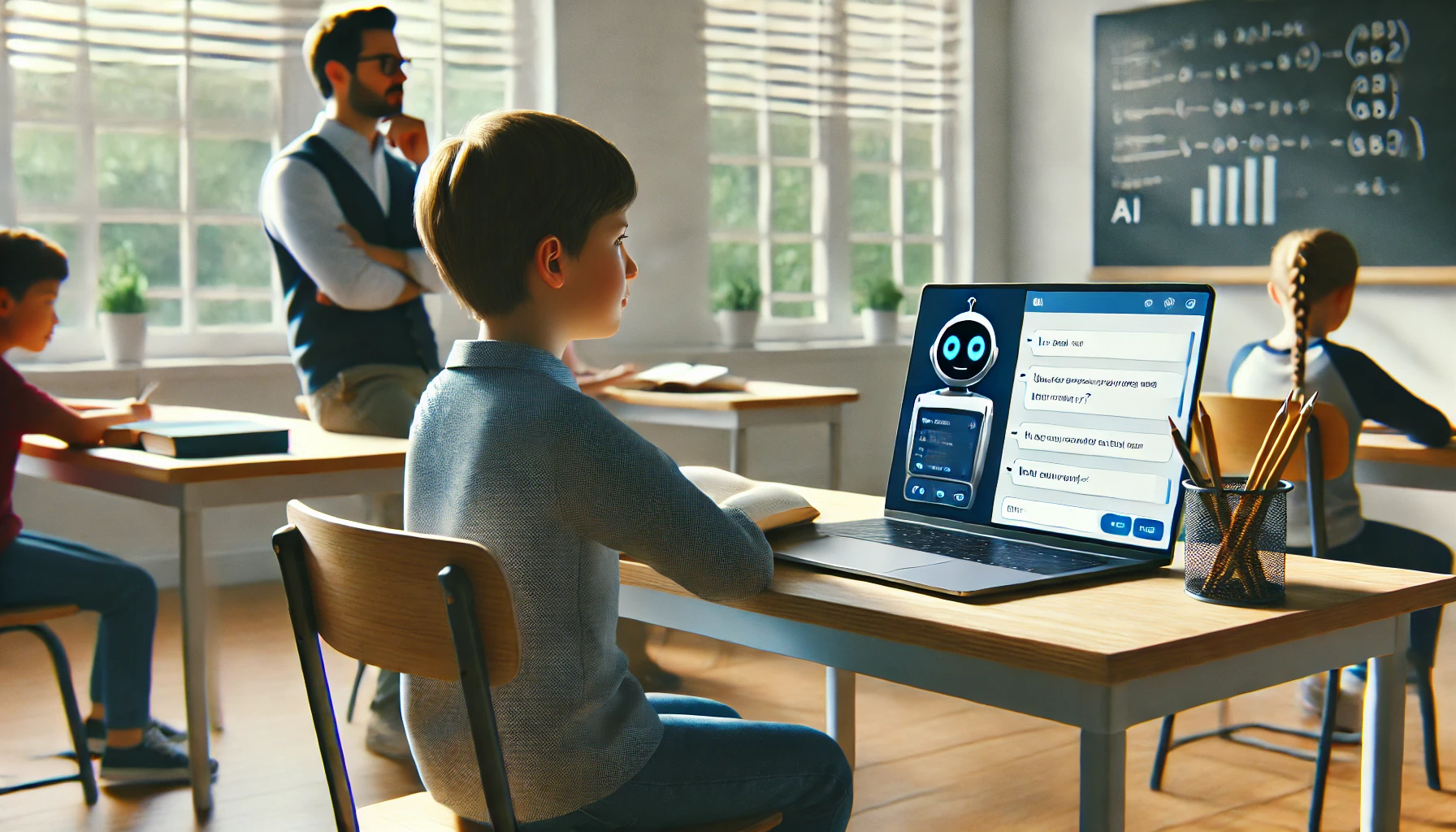
With the rise of online education, AI chatbots and virtual tutors provide instant answers and feedback. This helps students study independently without always waiting for human support.
AI and Career Preparation
The younger generation is preparing for a job market where AI plays a central role. Some careers are disappearing, while others are emerging around data science, automation, and AI development.
New Career Opportunities
Fields like machine learning engineering, AI ethics consulting, and data analytics are expanding rapidly. Young professionals with coding, statistical, and analytical skills have a significant advantage.
| Emerging AI-Related Careers | Required Skills |
|---|---|
| Machine Learning Engineer | Programming, Mathematics, Neural Networks |
| AI Ethicist | Philosophy, Policy, Technology Awareness |
| Data Analyst | Statistics, Visualization, SQL, Python |
Automation and Job Displacement
While AI creates new roles, it also automates traditional jobs in sectors like manufacturing, transport, and customer service. This shift requires younger people to continuously adapt and reskill.

AI in Social and Daily Life
Youth interact with AI daily, often without realizing it. Recommendation systems on YouTube, predictive text on smartphones, and virtual assistants like Siri or Alexa all guide their choices and habits.
Positive Impacts
- Convenience in communication and entertainment.
- Access to global information within seconds.
- Tools that help with organization and time management.
Negative Impacts
- Risk of screen addiction and reduced outdoor activity.
- Algorithm-driven echo chambers that influence opinions.
- Concerns about privacy and data collection.

Psychological and Social Development
AI-powered platforms shape how young people socialize and perceive themselves. Social media algorithms influence what they see, which affects mental health, body image, and peer comparison.
At the same time, AI-driven mental health apps provide resources for stress management, meditation, and counseling, offering support where traditional systems may be limited.
Ethical and Safety Concerns
As AI becomes embedded in young lives, questions of ethics, security, and fairness arise. Biased algorithms can reinforce stereotypes, while excessive data collection raises safety risks.
- Bias in AI: Algorithms trained on incomplete data may produce unfair results.
- Data Privacy: Young people often share personal information without understanding its long-term impact.
- Cybersecurity: Increased AI use can expose students to phishing and cyberattacks.
Balancing Opportunities and Risks
To ensure AI benefits the younger generation, a balanced approach is needed. Parents, teachers, and policymakers must collaborate to maximize opportunities while minimizing harm.
Strategies for Positive Integration
- Introduce AI literacy in schools to teach responsible use.
- Encourage healthy limits on screen time and social media.
- Support policies that promote ethical AI development.
- Provide mentorship and guidance for AI-related careers.
Frequently Asked Questions
Will AI replace human teachers?
No, AI can support education by handling repetitive tasks, but human teachers remain essential for emotional guidance, creativity, and mentorship.
Is AI safe for children to use daily?
AI is safe when used responsibly with proper guidance. Parents and educators should monitor usage and discuss online safety with children.
What skills should young people develop for an AI-driven future?
Critical thinking, problem-solving, programming, data literacy, and adaptability are among the most valuable skills for the future workforce.
Conclusion
The impact of AI on the younger generation is vast, touching every part of their lives from education to entertainment. While it opens doors to personalized learning, exciting careers, and global connectivity, it also presents challenges such as privacy risks, over-dependence on technology, and ethical dilemmas. The path forward lies in equipping young people with the knowledge, skills, and awareness to use AI responsibly. By fostering a balanced approach, society can ensure that AI becomes a tool for empowerment rather than a source of division.